


A lot of games came out in the last few years. And somewhere in that sea of releases is your game. So, the most important question on this moment is: how to launch a game and make your title stand out?
The uncomfortable truth is that quality doesn’t guarantee visibility anymore. You can spend years building something genuinely good and still have it go completely unnoticed. It doesn’t necessarily mean that your game is bad, but it is simply because people cannot find it. Getting noticed has become as important as releasing the right game for the right audience.
There’s a tempting assumption in game marketing: the bigger the budget on marketing, the better the results. Run enough ads, reach enough people, and eventually something sticks. However, what actually sticks is finding a way to make your product reach emotionally your potential audience. Something that makes a person stop scrolling, feel something, and share it with someone.
Creativity Will Make Your Game Stand Out
Royal Match, the puzzle game from Dream Games, is a good example of how this plays out. The game has crossed $3 billion in total revenue and more than 300 million downloads, according to AppMagic data. Those numbers are impressive, but what’s more interesting for us here is the psychology driving them.
Royal Match leaned heavily into “fail ads”. These short clips show a character asking for help, struggling to solve a level, and failing to succeed. That slight frustration triggers a very specific response in the viewer: “I could do that”. It is a competitive instinct dressed up as a casual ad, and it converts really well. The playable versions of those ads take it even further: you interact with the game before you ever install it. That’s a masterclass in finding your game’s emotional hook and building everything around it.
Monopoly GO! took a different but equally intentional approach. Its publisher, Scopely, launched a celebrity campaign featuring Jason Momoa, Chris Pratt, Keke Palmer, and Will Ferrell. But the angle wasn’t just, “Look, famous people.” The whole concept — “Friendship Pays” — was built around the game’s actual social mechanics. Co-op events, community chests that require more players to open, friend invites that become part of the gameplay loop. The marketing and the product were telling the same story. According to Marketing Dive, the game brought in more than $3 billion in its first year on the market.
Of course, you don’t need celebrity budgets to apply this thinking. The question is simpler: what does your game make people feel, and how can you show that in the least amount of time possible? That’s worth more than a polished trailer that says nothing specific.
Find The Right Channel For Your Game Marketing
Is posting on Instagram enough? What about Discord or TikTok? In a market where algorithms shift constantly and everyone is chasing the next trend, choosing the right platform to promote your game can feel overwhelming. Well, there’s not only one right answer to solve this question, but when it comes to game marketing, it depends entirely on your game’s personality and where your audience actually spends time.
The indie game Another Crab’s Treasure is a great example of what happens when a team gets this right. Instead of a traditional PR push, the development team got directly involved in creating social content — memes, behind-the-scenes clips, absurdist humor that matched the game’s personality perfectly. That hands-on approach resulted in over 605,000 TikTok followers and 21.5 million likes. For an indie title with a fraction of a major studio’s budget, that kind of organic reach is extraordinary.
The reason it worked is worth paying attention to: the content fits the platform. TikTok rewards short, genuine, slightly chaotic energy. It’s not a place for fancy game trailers, but for the weird corner of your game that makes people say “wait, what was that?” and watch it again.
That said, TikTok isn’t the right fit for every game or every audience. A deeper strategy game might find its people on YouTube or Reddit, where longer conversations and community building are more natural. A word game aimed at an older crowd might get more traction on Facebook, where social sharing among friends carries genuine weight. The whole point is to find where your actual players already are and show up there in a way that respects how that space works.
A Good Partnership Is a Game-Changer
At some point, reaching new players on your own becomes a difficult task. And that’s where distribution partnerships either make or break a game’s long-term visibility. The right partner isn’t always obvious on paper. Two options might look nearly identical, with similar services, similar promises, same checklist of offerings. But the best one brings something harder to put a number on: existing relationships with the audiences your game actually needs to reach, and the infrastructure to put it in front of them in a meaningful way.
For casual and HTML5 game developers, GameDistribution sits right at the middle of that problem. As the largest platform connecting game developers with web publishers, it links studios with over 3,000 publishers and reaches more than 350 million players every month.
That means a game distributed through the platform doesn’t just sit in a catalog waiting to be discovered, but it also appears where casual players are already spending time, from media portals and news sites to entertainment hubs across dozens of markets.
Browser Games Are a Promising Market
Also, browser gaming isn’t exactly new, but it’s growing faster than most people expected. The global HTML5 gaming market is on track to go from $1 billion in 2021 to over $3 billion by 2028 — that’s nearly three times the market value in under a decade, according to research commissioned by Google and conducted by Kantar. For mobile publishers looking to diversify their revenue and reach audiences they aren’t already talking to, that’s a number worth paying attention to.
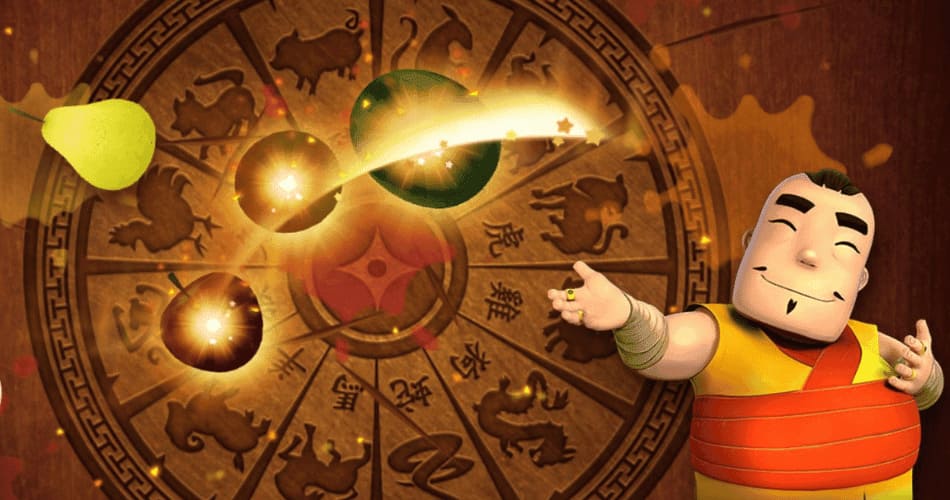
A few games tell that story well. Fruit Ninja, the classic fruit-slicing game from Halfbrick Studios, has racked up more than 500 million downloads on mobile over its lifetime. Since the game started running on the web through GameDistribution, it’s pulled in around 7 million gameplays a year on browser alone. Helix Jump, developed by Voodoo, reached 1 million yearly gameplays on the web. And Magic Tiles 3, by Amanotes, shows just how fast things can move: published on the platform only six months ago, in October, the game has already crossed 2 million gameplays in its web version.
There’s also a long-term argument here that’s easy to overlook. A strong launch week is great. But when new players keep finding your games six months after release — because it lives in places where new audiences encounter it every day — is what turns a decent title into something sustainable. That kind of ongoing presence is harder to build alone, and it’s exactly what a smart distribution partner can deliver.