


Why Match-3 Remains a High-Engagement Genre
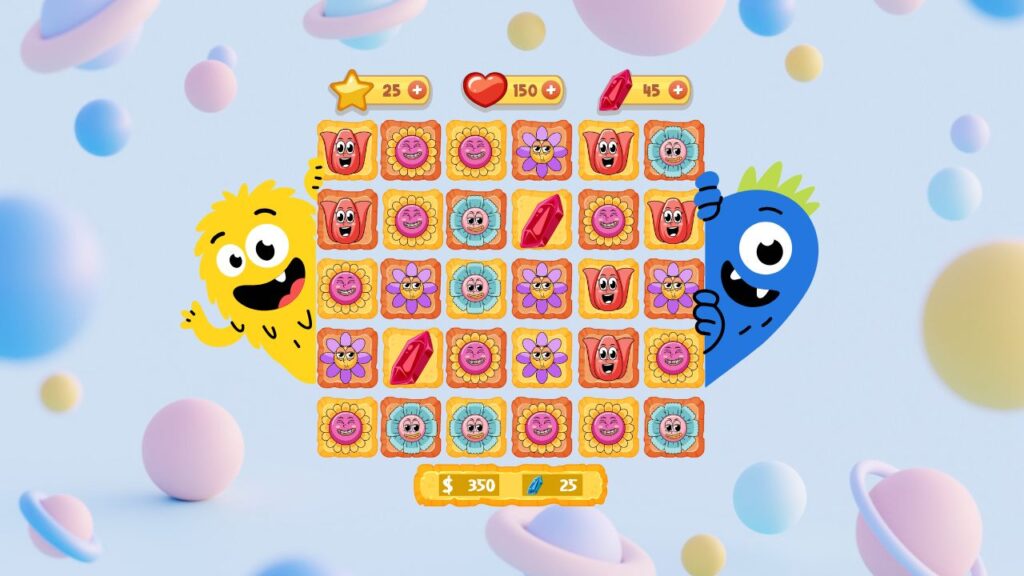
Match-3 remains one of the most resilient casual genres because it fits naturally into short, repeatable play sessions. Studies consistently show that players favor low cognitive load, immediate feedback, and visible progression. This helps explain why the best match-3 games reach broad audiences and sustain engagement over time, including a growing segment of players drawn to match-3 games for adults. The balance allows developers to add depth through pacing and rewards rather than complexity.
Research into puzzle and social match-3 titles shows that retention is driven less by novelty and more by reinforcement systems. Clear reward loops, visible progress, and optional competition rank among the strongest drivers of engagement, especially when paired with asynchronous play. These mechanics support frequent return visits without increasing friction.
Market data supports this behavior at scale. Puzzle games continue to rank among the highest-grossing casual categories on mobile, generating billions in annual revenue, while the broader casual games market shows steady year-over-year growth. Importantly, well-balanced mid-tier titles can still perform strongly alongside global hits.
On web and HTML5 platforms, player behavior follows similar patterns. Match-3 games deliver strong session length, repeat visits, and stable monetization because they integrate easily into short breaks and low-commitment play. For developers and publishers, this consistency makes match-3 a dependable genre when designed with intention.
Strong Fundamentals Are Only the Starting Point
While the data explains why match-3 works, execution determines which games succeed. Developers often recognize polished effects, satisfying sound design, and responsive feedback loops as the baseline for a solid puzzle experience. However, once those fundamentals are in place, differentiation becomes the real challenge in a category defined by familiar mechanics. At GameDistribution, we see this daily: well-crafted visual effects when making a match, clear player feedback, and engaging sound design immediately separate polished match-3 games from the rest.
Viewed through a developer’s lens, standout titles reveal how small design decisions create meaningful impact. Some rely on clear thematic framing, others introduce structural variety, and a few rethink the format entirely. Calvin’s selections highlight how the best match-3 games build identity through thoughtful twists that strengthen the player experience rather than complicate it.
1. Heroes of Match 3 Blends Fantasy Framing with Puzzle Logic
Heroes of Match 3 builds on Clever Apps’ familiar visual style but stands out through its fantasy RPG aesthetic. Enemy HP bars replace abstract objectives, available turns become player health, and boosters earned through combos are introduced as heroes rather than power-ups. This kind of systemic metaphor is why the game is often referenced when developers talk about the best match-3 games from a design perspective.
What makes this design effective is the way the objective aligns with the fantasy setting. Matching elements doesn’t simply remove tiles. It represents defeating enemies, which gives every action a clear meaning within the world.
The approach adds narrative logic to every interaction on the board. Players instinctively understand progress without reading instructions, which is especially effective in match-3 adventure games that aim to blend clarity with immersion.

2. Skydom Reforged Uses Structure as a Design Lever
Skydom Reforged immediately separates itself from its competition through highly varied level design, which is why it’s frequently referenced when developers compare the best match-3 games in terms of structural creativity. In some stages, players compete directly against an opponent, aiming to clear objectives more efficiently within the same number of turns. In others, the focus shifts to clearing a path and pushing a character forward as far as possible.
The experience often feels like a collection of mini-games, almost like a game show, where the same matching mechanic is adapted to very different objectives. One level may focus on creating massive combos in as few moves as possible, while another emphasizes efficiency or spatial progression.
What makes this approach effective is how naturally these different goals fit into the core mechanics. By reshaping objectives rather than rules, the developer turned a familiar formula into something that demonstrates how new match-3 games can stand out through variety.

3. Match Tile 3D Shows How Far the Genre Can Stretch
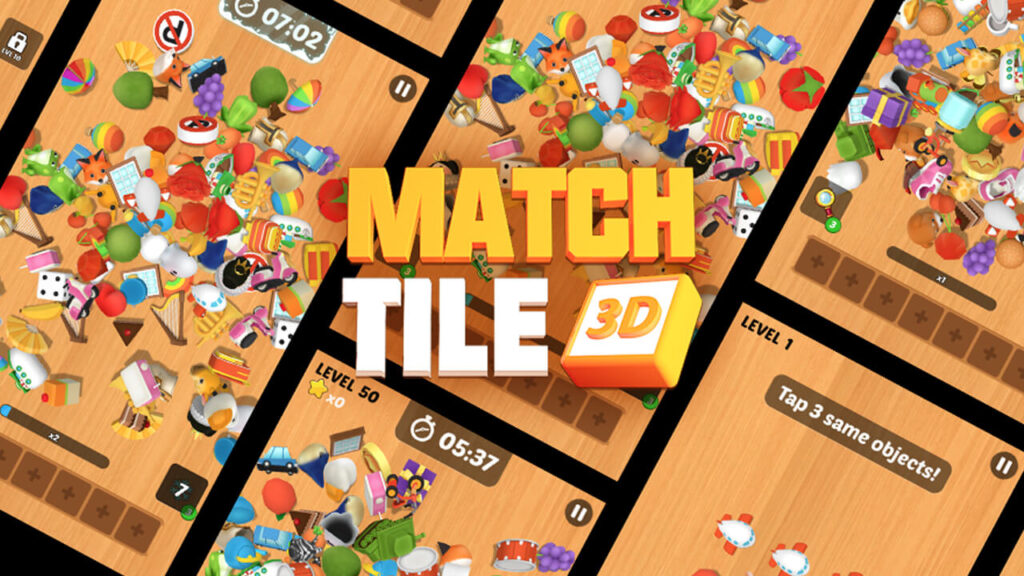
The match-3 genre has evolved far beyond its early grid-based roots, and Match Tile 3D reflects that shift clearly. Instead of swapping tiles, players explore a 3D room and search for three matching objects that may appear in different orientations. Seen through the lens of the best match-3 games, this approach proves that recognition and spatial awareness can replace speed without losing engagement.
The game doesn’t try to go deeper than matching three elements in a 3D environment, and that focus is exactly what makes it stand out. Even today, it has relatively few direct clones or copies, highlighting how distinctive the concept remains, defined by clarity rather than complexity.
The calmer, observational pacing appeals strongly to players who prefer slower problem-solving. It also explains why many users who want to play match-3 games free online gravitate toward experiences that reward attention rather than reflexes.
4. Garden Tales Demonstrates the Power of Pure Craft
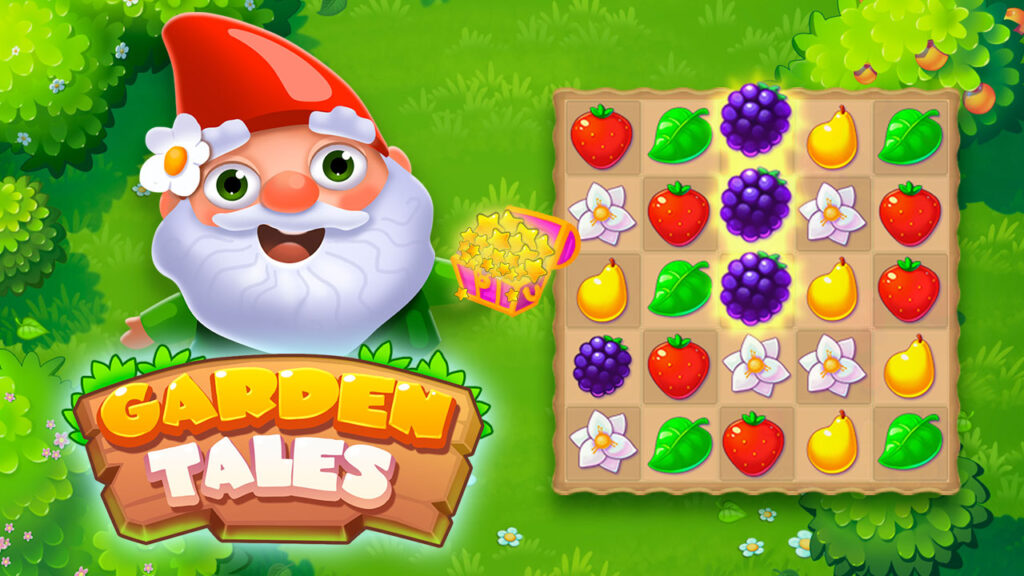
Garden Tales feels effortless to play, and that’s exactly its strength, especially when compared with many of the best match-3 games that rely on constant novelty to hold attention. Animations, effects, and timing are tuned so precisely that every match feels satisfying without drawing attention to itself. The iconic gnome adds charm, but the real mastery is in the pacing.
That level of refinement has kept Garden Tales relevant for years. Its accessibility and consistency are also why it remains one of the best free match-3 games for long-term engagement across a broad audience.
5. Treasures of the Mystic Sea Proves Identity Can Outlast Trends
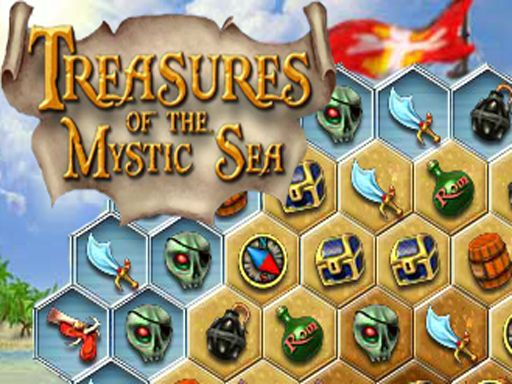
Many match-3 titles lean toward soft visuals and lighter themes, often targeting the same audience segments. Treasures of the Mystic Sea takes a different route, adopting a more rugged, adventure-driven aesthetic and pairing it with altered falling behavior on the grid. That contrast is a key reason it continues to be discussed alongside the best match-3 games, despite its age.
Its continued relevance is notable, especially given how quickly casual trends shift. Few old match-3 games maintain momentum this long without a strong identity behind them.
What Developers Can Carry Forward
Across all five examples, the common thread is intention. Each title takes a familiar foundation and makes a clear decision about where to add meaning, whether through theme, structure, pacing, or identity. That clarity is what separates competent executions from the best match-3 games, which feel designed rather than assembled.
From a design perspective, none of these games succeeds by adding unnecessary complexity. Instead, they focus on aligning mechanics with purpose. Whether that means matching objectives to a fantasy setting, reshaping goals through level structure, or deliberately limiting scope to preserve clarity. In match-3, strong design is often about choosing what not to add.
For developers, the takeaway isn’t to reinvent the genre, but to decide what your game wants to be remembered for. Strong metaphors can improve clarity, varied objectives can extend engagement, and disciplined polish can outperform constant novelty. Even subtle choices, when applied consistently, shape how players experience the entire game.
Match-3 continues to reward teams that respect its fundamentals while pushing thoughtfully beyond them. When design decisions support player behavior instead of fighting it, the result is a game that feels effortless to play and hard to forget.