

The casual gaming industry is shifting rapidly, and hospital games are among the genres finding new audiences on the web. What started as a niche category on mobile has grown into a dynamic space for player engagement and monetization. Merge Hospital, developed by Azerion Casual Games, captures this transformation perfectly.
Originally a mobile hit, the game now lives on browsers, offers instant access, and smooth cross-device play. This move not only expands its reach but also strengthens the Operate Now legacy in the growing ecosystem of hospital games online.
This article explores the gameplay, creative adaptation, and monetization strategy of Merge Hospital with insights from Lorenzo De Carlo, Senior Game Producer at Azerion Casual Gaming.
Inside Merge Hospital: Story and Gameplay That Connect
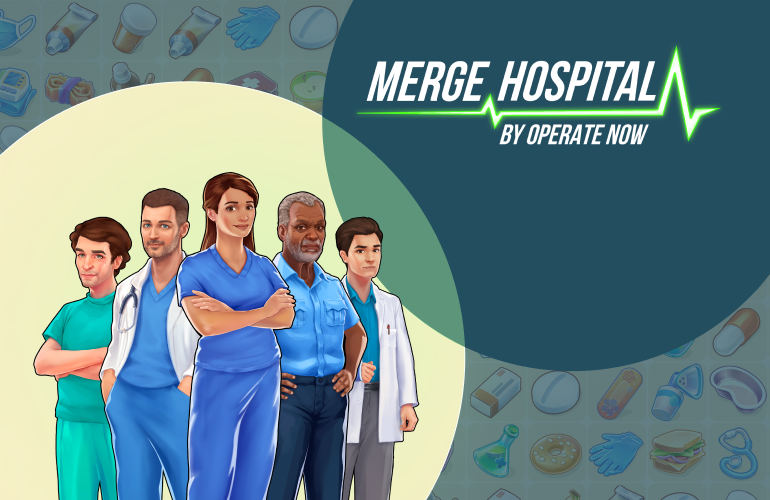
Merge Hospital builds on the Operate Now universe, an IP known for its medical themes, drama, and deep character arcs. Here, the team takes that narrative DNA and reimagines it through a merge-based experience that feels intuitive and modern. Players merge identical medical items to craft improved versions while unlocking story chapters that reveal the personalities and challenges of hospital staff.
“Merge Hospital is very unique. It’s rare to find a hospital game that pairs mature storytelling with simple mechanics,” says Lorenzo De Carlo, Senior Game Producer at Azerion Casual Gaming. “I’ve put a lot of effort into the story and characters, and I believe players who connect with them will come back for more.”
This combination of merge mechanics and storytelling delivers something that most free hospital games miss: emotional continuity. Each act uncovers a new character and storyline, turning gameplay into a journey of discovery. The narrative flows through comic-style scenes, bridging entertainment with familiarity for fans of Operate Now games.
Smart Systems: Generators and Story Progression
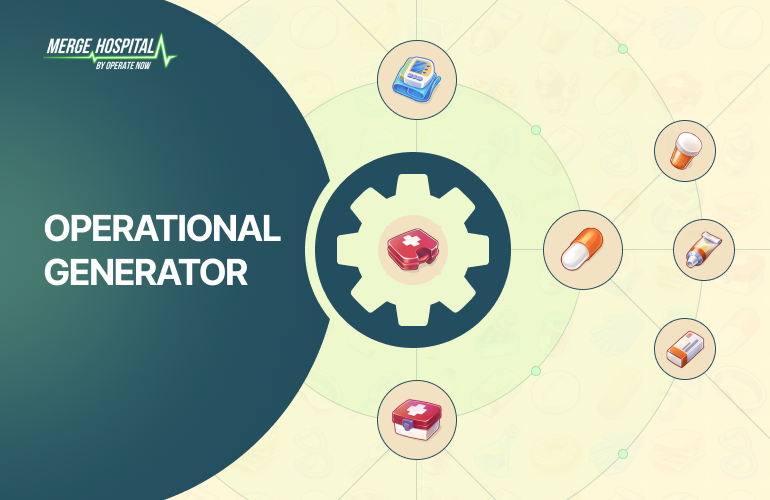
Beneath its approachable gameplay, Merge Hospital introduces systems designed for depth and replayability. Generators are at the heart of this strategy. Each character introduces a personal generator that produces mergeable items tied to their storyline, first-aid kits, gears, tools, and other elements that expand the hospital’s functionality.
This mechanic ensures steady progression and rewards consistency. As players unlock new boosters and characters, they also unlock fresh layers of interaction and storyline. Each act focuses on a different character, bringing new perspectives and gameplay twists. For example, Act 1 follows Sandy’s story, while Act 2 introduces Gary, the mechanic. It’s a clever design move that transforms a simple hospital merge game into a system of continual evolution, keeping players engaged across multiple sessions.
By tying narrative advancement to these gameplay loops, Merge Hospital achieves a balance between short-term reward and long-term retention, both essential traits in successful HTML5 casual games.
Designed for Casual Players, Optimized for Web
Merge Hospital was designed with accessibility at its core. Unlike simulation-heavy titles that require long sessions, it fits easily into the rhythm of everyday play. Players can enjoy quick merging sessions during short breaks while still feeling a sense of progress through story updates and character moments. This balance between instant fun and long-term investment is what gives the game its broad appeal.
“The game is easy to get into and caters very well to casual gamers, but it also offers a lot of depth in the characters and story elements for more engaged users,” explains Lorenzo De Carlo. “The web version will help build a new audience, making it a valuable addition to our overall monetization strategy.”
Transitioning Merge Hospital to HTML5 required more than a simple port. It was a redesign for browser behavior. The original mobile version was created for portrait orientation, so the team restructured its interface to fit landscape play and optimized performance for a 4:3 aspect ratio across desktop and mobile browsers.
“The game was initially developed for app stores, but we’ve recently recreated it for the web,” says De Carlo. “That meant making it adaptive and readjusting the UI to work across desktop and mobile devices. On mobile, it runs in portrait view, while on desktop we optimized it for a four-by-three layout.”
The adaptation process also included streamlining. Certain complex management systems from the mobile version were intentionally simplified to emphasize what works best on web: merging, storytelling, and accessibility. This leaner design supports fast load times and instant play, critical success factors in today’s HTML5 casual games market.
By combining quick play sessions, frictionless access, and cross-device functionality, Merge Hospital perfectly matches modern player habits. It’s casual in design yet built for sustained engagement, offering both entertainment value for users and dependable performance for publishers in the expanding hospital games online space.
Monetization That Works for Web Audiences
The Merge Hospital adaptation also showcases a smart monetization model designed for browser environments. Instead of in-app purchases, it integrates rewarded ads, a player-friendly approach where users watch short ads to earn energy or unlock items.
This model keeps the experience free and accessible while ensuring consistent revenue for developers and publishers. By aligning with web-native monetization patterns, Merge Hospital proves that mobile-first IPs can sustain strong business performance when transitioned thoughtfully into HTML5 casual games.
The Future of Operate Now on the Web
The release of Merge Hospital on web browsers marks a new chapter in the Operate Now franchise. With future acts, characters, and mergeable items already planned, the title is set to expand its world while keeping its narrative heart intact.
Through GameDistribution, the game reaches a broader ecosystem of publishers and platforms, extending its success beyond mobile. This collaboration reflects how the next generation of hospital games is evolving, driven by storytelling, supported by data, and built for cross-platform engagement.