



Platformer games have always remained available in digital distribution. They are constantly adapting to new formats to meet player expectations. From precision trap challenges to combat-driven side-scrollers, the genre continues to deliver measurable engagement across HTML5 and mobile ecosystems.
At GameDistribution, this category remains structurally strong because it aligns with players’ online content consumption. Quick entry, skill-based progression, and visible mastery loops make these cross-platform games particularly compatible with web environments.
Each successful entry brings distinct gameplay characteristics that shape audience behavior within competitive platformer games ecosystems.
Why Platformer Games Continue to Perform
The strength of this genre lies in three psychological drivers:
- Immediate clarity
- Measurable skill progression
- Rapid retry cycles
Players instantly understand the objective. They jump, avoid hazards, and reach the endpoint. When they fail, they retry without delay.
This tight loop reinforces competence motivation, a core engagement driver identified in game design research. Moreover, HTML5 environments reward low-friction design, which is why platformer games online rarely depend on long tutorials or heavy narrative exposition.
This structure supports predictable session depth and natural monetization breaks. Yet the real differentiator comes from gameplay identity.
Top Platformer Games on GameDistribution
VEX Series 15 Years of Structured Evolution
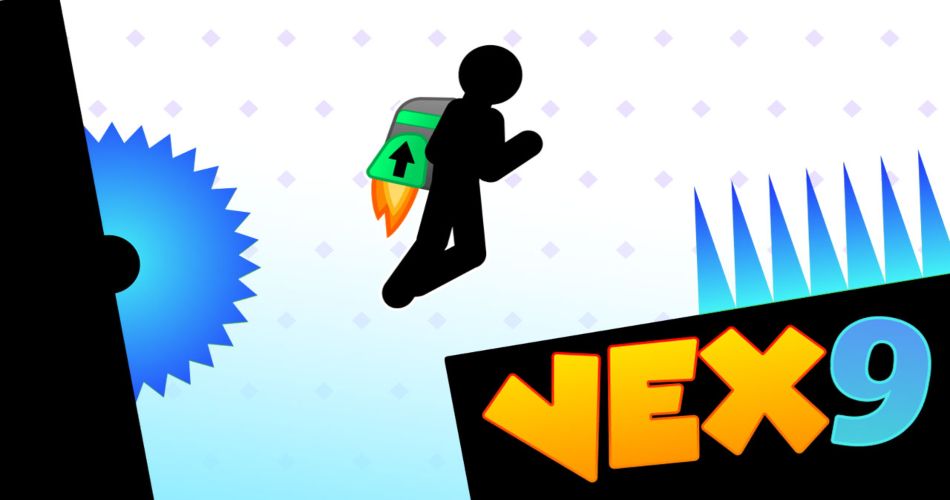
Among modern platformer games, few franchises show the longevity of the VEX online game. What began as a Flash-based stickman runner has evolved into a HTML5 series optimized for desktop and mobile web.
The major shift came with the HTML5 transition of Vex 3. From Vex 4 onward, development followed a controlled iteration model under Lorenzo De Carlo, introducing one meaningful innovation per release while preserving the franchise’s precision-driven identity.
Today, across 13 main entries, including Vex 5, Vex 6, Vex 7, Vex 8, and Vex 9, plus spin-offs such as Vex X3M, Vex Try To Fly and Vex Hyper Dash, the series generates more than 60 million annual gameplays through web distribution alone. The broader Vex Games catalog continues to stand among the best platformer games of all time for players who prioritize structured mastery.
“At GD, the Vex franchise is the gold standard for HTML5 stickman platformers, built by developers who are absolute masters of level design. You can immediately tell a well-polished platformer from one that doesn’t quite make the cut.” — Calvin Man, Head of Content & Monetization at GameDistribution.
Its identity remains clear: a stickman design, trap-heavy obstacle courses, Act and Hard Act progression, instant respawns, and strict timing challenges.
The full catalog is now available on vex.game, where players can explore every entry in one dedicated destination built around the franchise’s evolution.
Dan The Man Narrative Driven Combat Platforming
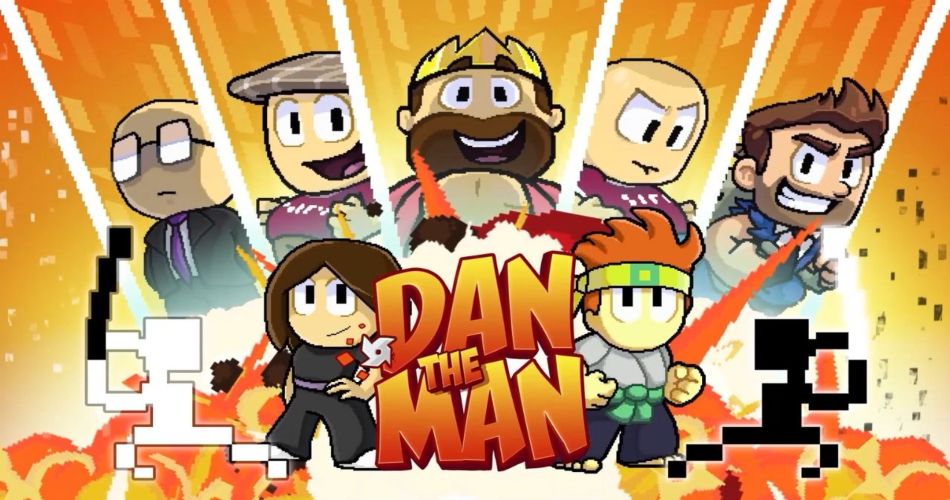
Dan The Man expands the genre by combining a good storytelling with beat-’em-up combat. Developed by Halfbrick Studios, it blends melee combos, ranged weapons, character upgrades, and boss encounters into a mission-based campaign that clearly positions it within action platformer games.
Unlike pure reflex-based 2D platformer games, the title builds narrative momentum. Players unlock new abilities, progress through episodic arcs, and encounter increasing boss fights that extend session depth.
“While the core gameplay pays homage to retro arcade classics, the developer brilliantly implemented a modern meta-layer to boost long-term user retention. Players aren’t just fighting through stages, but also collecting coins to upgrade character stats, unlock devastating special abilities, and purchase custom gear. This progression loop gives players a constant sense of growth.” — says Calvin Man.
Super Onion Boy Series Precision Nostalgia That Converts

Super Onion Boy feels like a love letter to classic platformers. Bright pixel-art landscapes, brick platforms, roaming enemies, and hidden power-ups create an instantly recognizable structure that resonates with players searching for the best platformer games in retro form.
The structure feels instantly familiar. At this point, players jump across clean horizontal layouts, collect coins, defeat enemies with precise stomps, and progress toward clearly staged boss encounters.
“Let’s just say my afternoon productivity completely tanked the moment I started playing Super Onion Boy. It’s simple, honest, retro gaming that me and my team completely eat up because it delivers instant, nostalgic gratification without the bloat.” — highlights Calvin Man.
Super Onion Boy 2 refines that foundation rather than reinventing it. Levels introduce sharper verticality, tighter jump windows, and denser enemy placement that reward memorization and mechanical accuracy.
Nuwpy’s Adventure Accessible Exploration at Scale
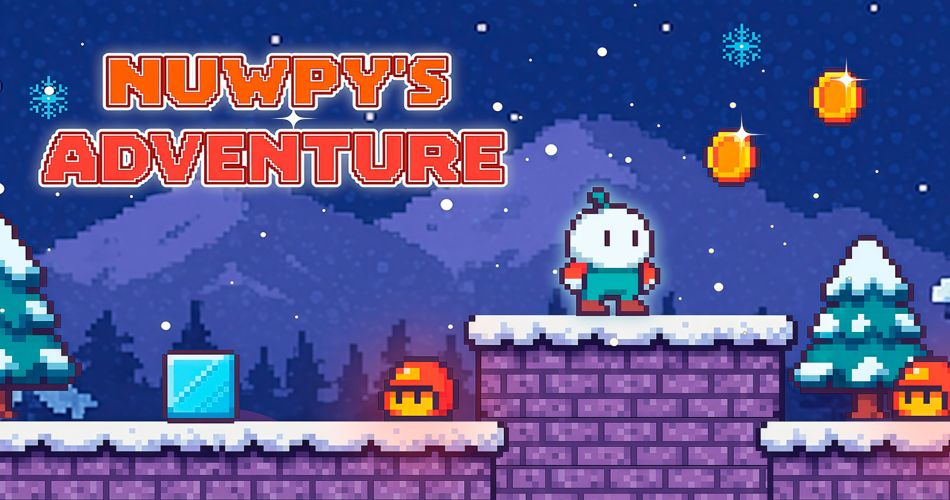
Nuwpy’s Adventure stands out through colorful presentation and accessible difficulty curves. While maintaining traditional jump-and-avoid mechanics, it leans more heavily into exploration and coin collection. Players traverse vibrant maps, unlock achievements, and gradually refine timing skills without facing punishing early difficulty spikes.
“You can immediately tell when a developer actually cares about ‘game feel.’ Nuwpy’s pixel art is vibrant and crisp, completely avoiding the muddy look of amateur retro clones. It triggers a massive wave of nostalgia that keeps casual players chilling out in the game loop far longer than they originally intended.” — Calvin Man.
Among the titles analyzed, this game achieved one of the strongest gameplay volumes. Its performance demonstrates the growth potential of accessible platformer experiences when supported by intuitive design, clear objectives, and rewarding progression systems.
Noob Skyblock Survival Hybrid Mechanics for Younger Audiences

Noob Skyblock Survival blends side-scrolling platform movement with sandbox-inspired survival mechanics. The block-based aesthetic aligns strongly with younger demographics familiar with crafting-driven gameplay loops. Players combine jumping precision with environmental interaction and resource management. This hybrid structure introduces strategic decision-making alongside obstacle navigation.
“The developer had perfectly optimized the physics and crafting UI for web browsers. It runs smooth as butter without needing a beefy gaming PC, which is exactly why it’s a powerhouse for user session length.” — Calvin Man.
Geographic Performance of Platformer Games Across Key Markets
Across Brazil, the United States, and Germany, platformer games show consistent cross-market appeal.
Brazil generates strong total play hours, reflecting high replay frequency. The United States balances volume with stable session duration, supporting monetization predictability. Germany records outstanding session depth, particularly for titles such as Vex.
The portability of platformers stems from minimal language dependency. Mechanics communicate through movement rather than text, which simplifies international scaling compared to narrative-heavy genres.
Key Takeaways for Developers and Publishers
Understanding who plays platformer games — and what keeps them playing — is the foundation every design and publishing decision should be built on.
The genre’s most consistent audience is young men. What drives them is a specific set of motivations that good platformers tap into almost instinctively. Mastery is a big one. These players want to feel their own improvement, to reach a level that beat them yesterday and clear it cleanly today. Challenge matters, but only when it feels fair. For example: competition, progression, the thrill of discovering something most players haven’t found yet, and the ability to share any of that with peers. The games that sustain long-term engagement are the ones designed around these motivations.
For developers, that means treating level design as a retention tool. Difficulty should move in waves, building confidence early, escalating gradually, and giving players occasional room to breathe before the next push. Also, reward systems work best when they make even an unsuccessful session feel like forward movement: daily challenges, performance-tied unlocks, and visible progression milestones all give players a concrete reason to return.
Understanding The Platformer Game Audience
For publishers, the strategy starts with being honest about where this audience actually is. In that case, young male casual players are active on web portals tied to entertainment and sports content, on mobile for shorter sessions, and on platforms like YouTube where gameplay culture is already embedded. Reaching them means showing up in those environments, instead of just waiting for them to search.
Also, featured placement and discoverability on the portal itself have a direct impact on performance. Platformers placed in high-visibility positions — especially when they’re presented with clear context and visual appeal — consistently outperform titles buried in a general catalog. For publishers targeting younger audiences, the genre is a natural fit.
Platformer games have staying power because its audience is motivated, competitive, and consistent. When portals commit to their audience through smart curation, strategic placement, and ever-evolving content, the genre becomes an exceptionally reliable tool for driving engagement.