



Web Gaming as a Publisher Growth Strategy
Web gaming has evolved into a practical growth strategy for publishers seeking stronger engagement and sustainable monetization. As competition for attention intensifies, interactive formats are increasingly central to content planning. In this context, HTML5 games give publishers a scalable way to extend session length, encourage repeat visits, and activate audiences without adding friction.
For many publishers, web gaming is no longer an experiment. Instead, it has become a reliable content layer that complements editorial, video, and social formats. As a result, distribution partners such as GameDistribution make it possible to deploy gaming content at scale, while still preserving control over audience experience and revenue.
The Maturity of the Web as a Gaming Platform
The modern web now supports high-quality gaming experiences at scale. Over time, browser performance, rendering capabilities, and development tools have matured to the point where HTML5 games meet user expectations shaped by mobile and PC environments. Consequently, publishers can integrate games without compromising performance or usability.
At the same time, the web remains uniquely accessible. Players can start instantly, without downloads or approvals. Therefore, for publishers, accessibility translates into broader reach and lower barriers to engagement, particularly among casual and returning users.
Interactive Content in Modern Publishing Strategies
Publishers increasingly optimize for engagement metrics such as time-on-site, session depth, and return frequency. In practice, games perform well across these indicators because they actively involve users rather than competing passively for attention.
When integrated thoughtfully, games become part of a broader engagement strategy. In turn, structured distribution helps publishers activate gaming content across their properties while maintaining consistency and monetization control.
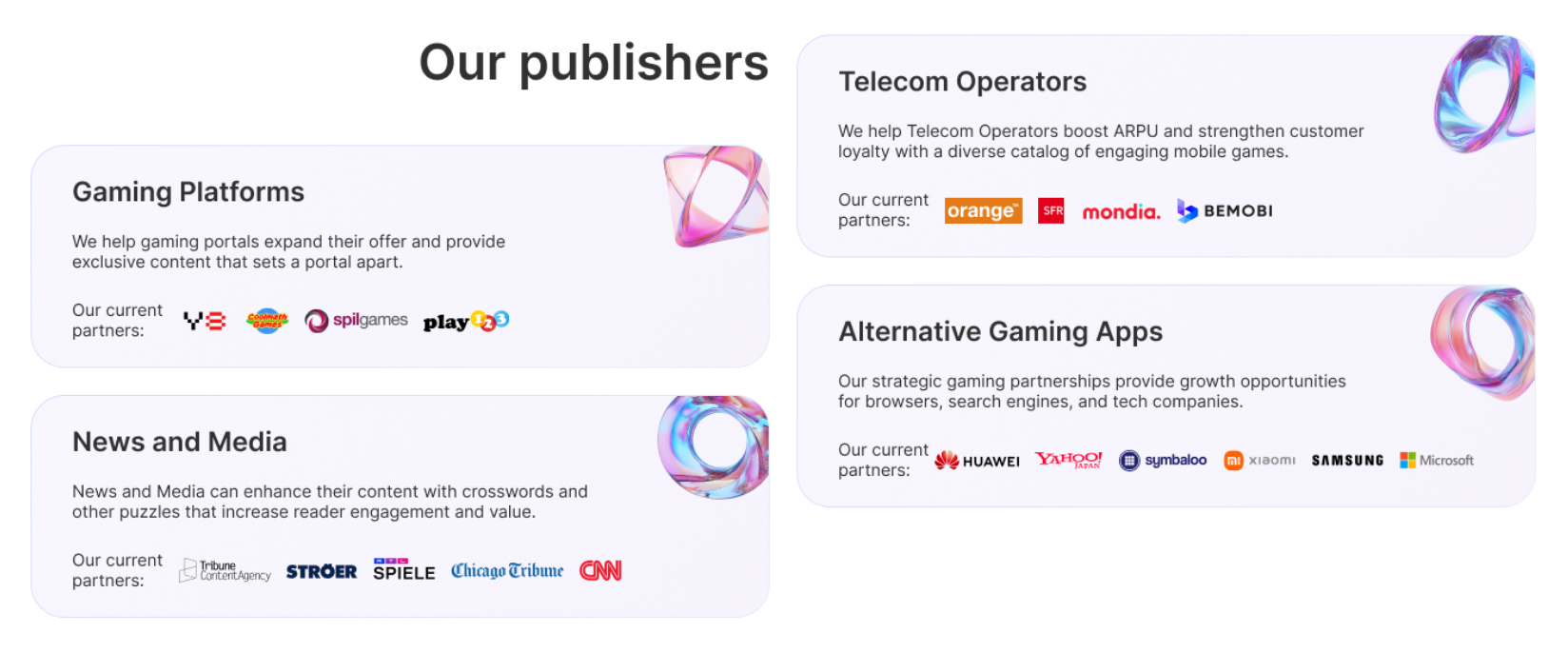
This approach is already in use across a wide range of established publisher environments, from leading media groups such as Chicago Tribune, CNN, Ringier Axel Springer, Tagesspiegel, and Sanoma, to regional news platforms, telecom portals, and consumer-facing digital services.
In these contexts, interactive gaming content is treated as part of the publishing experience, supporting engagement goals alongside editorial and video formats.
Expanding Audience Reach Through HTML5 Games
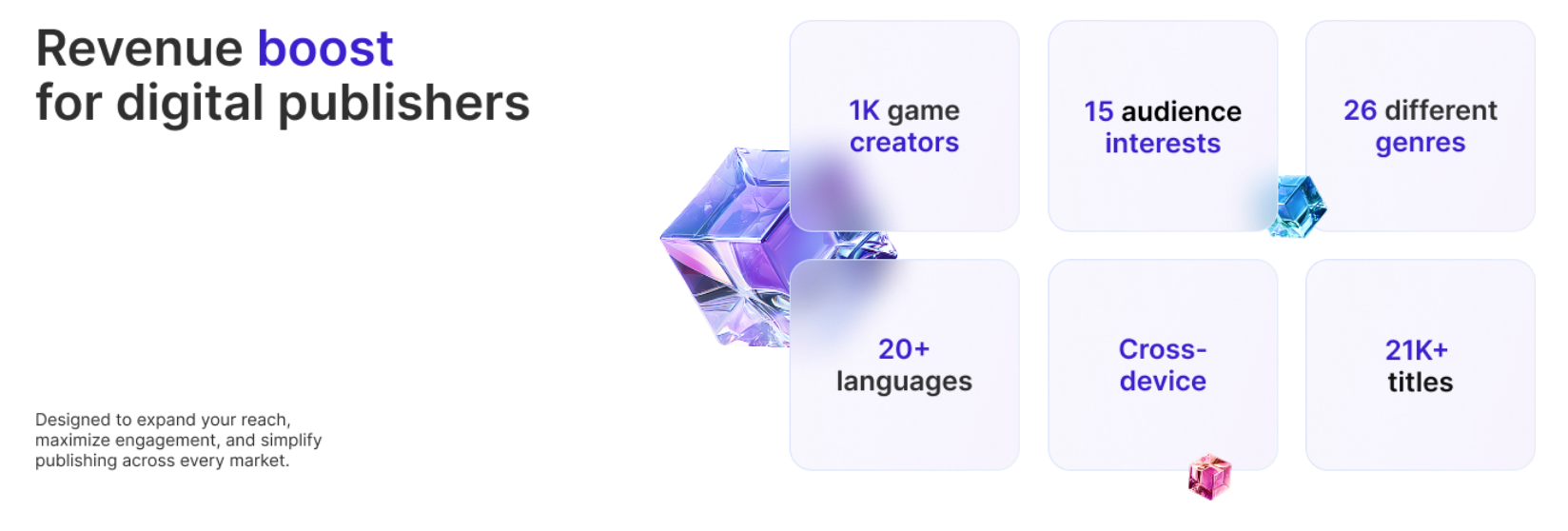
One of the strongest advantages of web gaming lies in its ability to reach audiences far beyond traditional gamers. Increasingly, HTML5 games appear in environments where people already spend time, including media websites, travel platforms, utilities, and consumer-facing services.
Because HTML5 games run instantly and require no installation, they fit naturally into B2C environments where apps are impractical or unwanted. As a result, publishers can introduce interactive content that increases engagement without asking users to change behavior or commit to a new platform.
This distribution model attracts a broader, more diverse audience mix. Puzzle and match-style games attract a strong 30–45+ female audience, while word, logic, and cognitive games resonate with senior users on news and media sites. At the same time, midcore and MMO audiences continue to engage with web-based games, particularly in international markets.
For publishers, this demographic range creates predictable engagement patterns across age groups and use cases. Moreover, reaching multiple audience segments through a single HTML5 format strengthens advertiser appeal and supports scalable monetization across different content properties.
Embedded Games as Scalable Distribution Units
HTML5 games can be embedded across articles, hubs, and platform-native experiences. This flexibility allows publishers to deploy games wherever engagement opportunities exist, rather than limiting them to a single destination.
When games are distributed across multiple touchpoints through a unified setup, each placement reinforces discovery and repeat engagement. Over time, games function as modular content units that scale alongside a publisher’s portfolio.
GameDistribution provides Direct Game Integration through Embedded Links, which allows publishers to embed HTML5 games using simple links without custom development. As a result, games can be placed directly inside editorial or campaign pages and managed centrally.
From a strategic perspective, embedded games increasingly function as a strategic growth tool within broader content and engagement strategies, particularly for increasing session depth and repeat visits. From an execution standpoint, lightweight integration makes it possible to publish games within minutes, without development effort, and then scale successful placements across multiple pages.
Game Monetization Models Aligned With Publisher Environments
Ad monetization supports immediate revenue while preserving accessibility. Over time, hybrid models can increase lifetime value, especially in genres that encourage repeat play. Moreover, because games remain accessible on the web, they often enjoy longer lifecycles than app-based titles.
Here, GameDistribution supports publishers by simplifying monetization and performance management without adding operational complexity, offering monetization and performance support as part of a broader distribution framework.
The Role of Distribution Infrastructure in Monetization
For publishers, infrastructure matters more than destinations. While consumer portals focus on player-facing experiences, B2B distribution platforms instead support scale, consistency, and monetization across networks.
Accordingly, GameDistribution connects publishers with curated HTML5 games, monetization services, and analytics. In addition, the game catalog is regularly updated with new and improved content from a wide range of game creators, allowing publishers to refresh their offerings without additional sourcing or integration work. This infrastructure-first approach allows publishers to focus on audience engagement rather than operational complexity.
Retention and Long-Term Value in Web Gaming
Retention on the web follows a different logic than app-based ecosystems. Rather than relying on installs or push notifications, web gaming builds loyalty through habit and ease of rediscovery. As a result, players return because games remain instantly accessible within familiar environments.
When games are hosted within trusted publisher platforms, loyalty often attaches to the brand itself. In turn, this dynamic strengthens repeat engagement and reinforces the value of games as ongoing content.
The Timing Advantage for Publishers
Web gaming remains early in its growth cycle. Meanwhile, new devices, embedded surfaces, and content contexts continue to emerge, while competition remains manageable. Therefore, publishers who act now gain early insight into audience behavior and monetization performance.
At the same time, technical maturity reduces adoption risk. Publishers can integrate HTML5 games with confidence and scale them alongside existing content strategies.
Ultimately, when treated as part of the core content stack, web gaming delivers lasting value. It supports audience expansion, strengthens engagement, and diversifies revenue without increasing acquisition costs. Publishers who adopt web gaming as a strategic asset position themselves for sustainable growth in an increasingly competitive digital landscape.